Trustpilot
NIV vs. KJV: Which Bible Translation Is Best for You?
NIV vs KJV: compare accuracy, readability, language, manuscripts and key verses. See the differences side by side and find which Bible is right for you.

Short answer
Choose the NIV for easier everyday reading. Choose the KJV if traditional language and the historic King James text are important to you.
| NIV | KJV | |
|---|---|---|
| Language | Modern English | Early Modern English |
| First published | 1978 | 1611 |
| Translation approach | Balance of meaning and wording | More formal/word-for-word |
| Readability | Easier | More difficult for modern readers |
| Best for | Everyday reading, beginners, church | Tradition, memorisation, literary style |
| Choose if… | You want accessible modern English | You value traditional wording |
It's the classic Bible translation dilemma: should you choose the modern, easy-to-read New International Version (NIV), or the historic, poetic masterpiece of the King James Version (KJV)? This is more than a simple choice between two books; it's a choice between modern readability and historic tradition.
On one hand, you have the NIV, the world's most popular contemporary Bible, prized for its clarity and accessibility. On the other, you have the KJV, the foundational text of the English-speaking church for over 400 years, beloved for its majestic and timeless language.
Both are excellent, but they serve very different purposes. This simple guide will clearly explain the key differences, helping you confidently choose the right Bible for you.
The main difference between the NIV and the KJV is their language and translation philosophy: the KJV is a "word-for-word" translation from the 17th century, prized for its traditional, poetic language, while the NIV is a modern "thought-for-thought" translation that balances accuracy with smooth, everyday readability.
NIV vs KJV Video
What Are the NIV and KJV Bible Translations?
When choosing a Bible, it helps to understand the translations themselves. The New International Version (NIV) and the King James Version (KJV) are two of the most well-known and widely used English Bible translations, but they offer very different reading experiences.
- NIV (New International Version): First published in 1978, the NIV is a modern English translation created by over 100 scholars from various denominations. It uses a thought-for-thought translation philosophy (also called dynamic equivalence) to make the text accessible while staying true to the original meaning.
- KJV (King James Version): First published in 1611 under the commission of King James I of England, the KJV is a word-for-word translation (formal equivalence) known for its majestic language and poetic style. It has deeply influenced English literature and remains beloved in many traditional churches.
The Translation Spectrum
The NIV and KJV sit on opposite ends of the modern translation spectrum, which is key to understanding their difference.
At a Glance: NIV vs. KJV
The key differences between the NIV and KJV come down to language style, readability, and translation philosophy:
- Language Style:
- The KJV uses Early Modern English, with words like "thee," "thou," and archaic verb endings ("doeth," "speaketh").
- The NIV uses contemporary English, making it more understandable to the average reader today.
- Readability:
- The NIV is designed for clarity and accessibility.
- The KJV requires more effort due to its 17th-century vocabulary and syntax.
- Translation Approach:
- The KJV sticks closely to the source text, even at the expense of modern readability.
- The NIV balances accuracy with natural English expression, making it ideal for daily reading and devotionals.
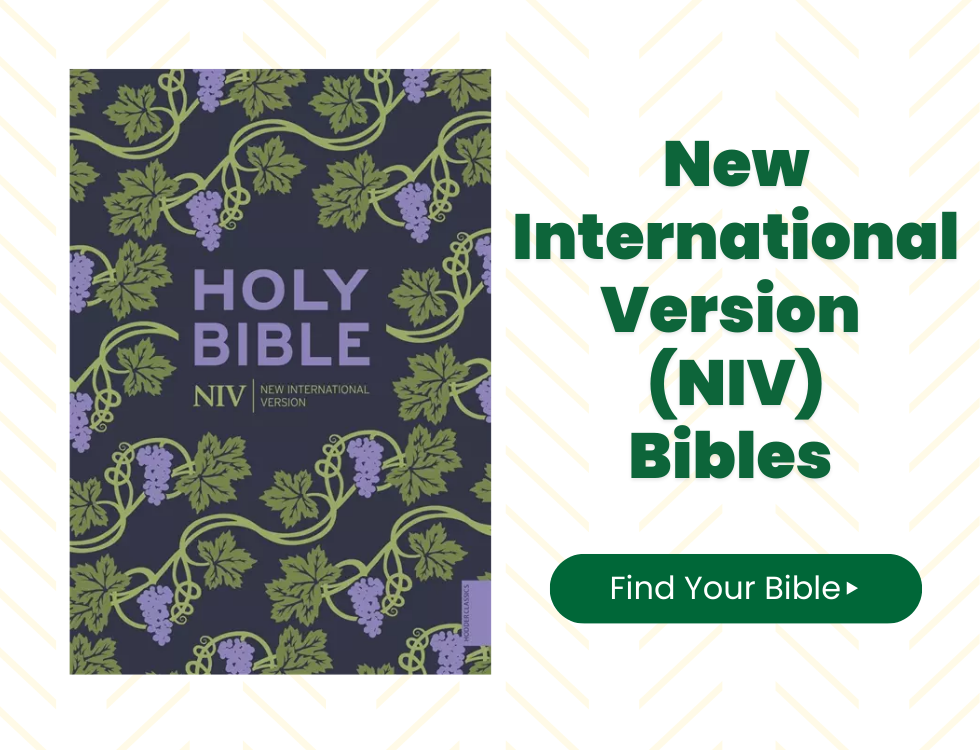
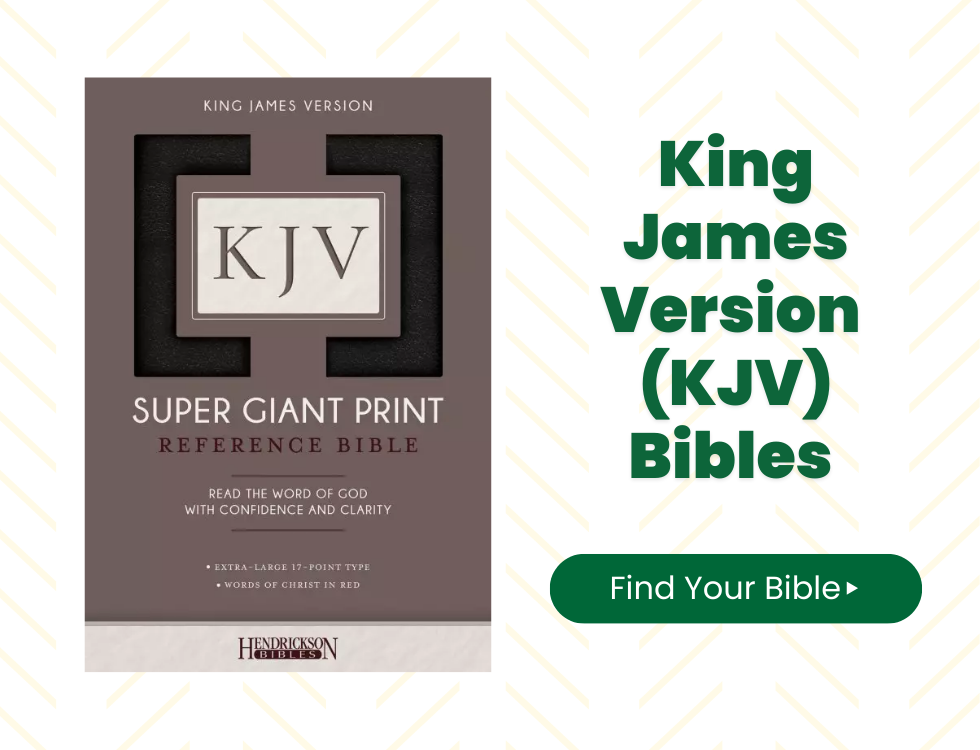
The main difference between the KJV and the NIV is their language and source texts: the KJV uses traditional 17th-century English based on the Textus Receptus, prized for its literary tradition, while the NIV uses modern English and older manuscripts for clarity and ease of reading.
The NIV: The World's Most Popular Modern Bible
The NIV is the bestselling contemporary English Bible for a reason. Its goal is to provide a balance, capturing the original meaning of the text in a way that is clear and easy for a modern reader to understand. It is a "thought-for-thought" translation, which means it prioritises conveying the original idea over a strict, word-for-word rendering. It's the trusted, familiar choice you will find in churches all over the world.
You should choose an NIV Bible if:
- You are new to the Bible or prefer a smooth, natural reading experience.
- You want a versatile, all-purpose Bible for both personal reading and church use.
- You find the language of the KJV difficult to understand.
Our Top NIV Recommendation: NIV Life Application Study Bible
"Bought this as a gift for an adult baptism. It has features I was not expecting, including a family tree page, as in an old family bible. And a presentation page. Plus, of course, all the study features. I was expecting good. This was better than good. All in all, delightful." ★★★★★
The KJV: The Timeless, Poetic Masterpiece
For over four centuries, the King James Version was the Bible of the English-speaking world. It is a masterpiece of English prose, and its majestic, poetic language has profoundly shaped our culture and countless lives. As a "word-for-word" translation, it is very literal, but its beauty is its main draw. For many, the rhythm and cadence of the KJV is the voice of Scripture.
You should choose a KJV Bible if:
- You love traditional, majestic, and poetic language.
- You grew up with the KJV and find its cadence comforting and familiar.
- Your primary focus is devotional reading and memorisation.
Our Top KJV Recommendation: KJV Cambridge Clarion Reference Bible.
"The Clarion is a masterpiece. It presents the timeless KJV text in a beautiful, readable format, and the reference system is superb for tracing themes throughout Scripture. A joy to hold and to read." ★★★★★
NIV vs KJV: Verse-by-Verse Comparison
One of the easiest ways to understand the difference between the NIV and KJV is simply to read them side by side.
In many passages, the meaning is very similar but the wording feels quite different. In others, you'll notice longer phrases or verses appearing in the KJV that are shortened, footnoted or absent from the NIV. That doesn't necessarily mean one translation has deliberately “removed” something.
The NIV and KJV were translated centuries apart. Their translators worked from different collections of biblical manuscripts. The KJV New Testament was largely based on the Greek text available to scholars in the early 17th century, while NIV translators had access to a much larger collection of older manuscripts discovered and studied since then.
Here are a few examples.
John 3:16 - Traditional Text vs Modern Language
John 3:16 is a good example of the difference in reading style.
KJV:
“...his only begotten Son...”
NIV:
“...his one and only Son...”
The KJV preserves the traditional phrase “only begotten”, while the NIV uses more familiar modern English.
Both are translating the same underlying idea, but the NIV aims to communicate it in language that today's reader can understand immediately.
Psalm 23:4 - Poetic Tradition vs Contemporary Clarity
Psalm 23 contains one of the best-known phrases in the King James Bible.
KJV:
“the valley of the shadow of death”
NIV:
“the darkest valley”
The KJV wording has become part of English-speaking Christian culture and is loved for its poetic quality.
The NIV translates the Hebrew expression in a way intended to communicate the broader idea of deep darkness or extreme danger, rather than preserving the familiar traditional phrase.
Neither version turns Psalm 23 into a different story.
The difference is largely about how literally an ancient expression should be reproduced in modern English.
Romans 8:1 - Why Does the KJV Have More Words?
Romans 8:1 provides a different kind of comparison.
The KJV ends the verse with an additional phrase about those who do not walk according to the flesh but according to the Spirit.
Most modern translations, including the NIV, have a shorter Romans 8:1.
Why?
This is one of the places where the manuscripts used for the translations differ.
The longer wording appears in later Greek manuscripts used in the tradition behind the KJV. Earlier manuscripts generally contain the shorter reading at Romans 8:1, while similar wording appears a few verses later in Romans 8:4.
Modern translations such as the NIV therefore usually follow the shorter reading in verse 1.
Acts 8:37 - Why Is This Verse Missing From Some NIV Bibles?
Acts 8 tells the story of Philip and the Ethiopian official.
If you compare some editions of the KJV and NIV, you may notice something unusual:
The KJV contains Acts 8:37, while many modern Bibles either place the verse in a footnote or move directly from verse 36 to verse 38.
The verse contains a confession of faith in Jesus before baptism.
Again, this isn't because modern translators object to its theology.
The issue is manuscript evidence.
Acts 8:37 does not appear in several of the earliest surviving Greek manuscripts of Acts, so modern translation committees generally regard it as a later addition to the textual tradition. Many Bibles still include it in a footnote so readers can see the traditional wording.
The Final Verdict: Which One is Best for You?
- For a beginner, a young person, or for everyday reading, choose the NIV. Its modern language makes it far more accessible.
- For devotional reading, memorisation, and connecting with the historic tradition of the church, the winner is the KJV. Its literary beauty is unparalleled.
The key differences to consider when choosing a Bible are:
- Ease of reading
- Accuracy of the Translation
- How it was translated
- How modern the language is
- Do you enjoy reading the text
- Does it align with your Church
- Does it communicate the meaning of the text
These will always steer you right when choosing a translation.
Still not sure which Bible is the perfect fit? Our Bible Finder can give you a personalised recommendation in just a few clicks.

More Bible Translation Comparisons
If you aren’t sure which Bible to get, there are a few ways we can help.
- Try the Bible Finder: We’ve put together a simple way to filter down to the perfect Bible for you. Just choose a translation, pick the features you want and select a comfortable text size. You can try the Bible Finder here.
- Read more from the Blog: We are always adding new guides, insights and articles that explore ways of understanding the different Bibles available today, as well as how to make your decision. Read our Bible posts today
- Read our Book: Over the years, we’ve explored hundreds of topics and questions about knowing which Bible to get. We’ve compiled all that information into an easy-to-read eBook that is completely free to download. Download our book “How to Choose Your Bible” today.