Trustpilot
⚡ Quick Answer: Why is Matthew 17:21 missing?
Modern translations (like the NIV and ESV) didn't remove Matthew 17:21; they simply used older, more reliable ancient manuscripts than the 1611 King James translators had access to. When modern scholars looked at these newly discovered, ancient documents, they realised that verse 21 wasn't actually written by the Apostle Matthew. It was likely a margin note added by a well-meaning scribe centuries later!
Want to understand the history of the Bible? If you love digging into the history and archaeology behind the text, you need a Study Bible with rigorous footnotes.
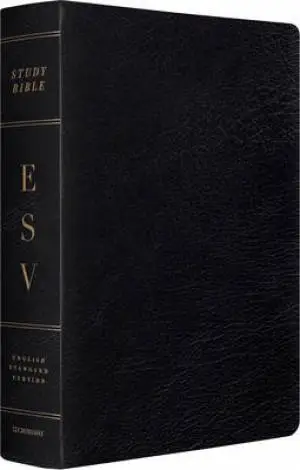
- Shop the ESV Study Bible - The gold standard for deep, textual scholarship.
Imagine you are sitting in a church service. The pastor tells everyone to open their Bibles to Matthew chapter 17. He begins reading aloud from the traditional King James Version (KJV):
"And Jesus said unto them, Because of your unbelief: for verily I say unto you, If ye have faith as a grain of mustard seed, ye shall say unto this mountain, Remove hence to yonder place; and it shall remove; and nothing shall be impossible unto you. Howbeit this kind goeth not out but by prayer and fasting." (Matthew 17:20-21, KJV)
You look down at your brand new ESV or NIV Bible to follow along, but you freeze.
Your Bible has verse 20. But then, it immediately jumps to verse 22. Verse 21 is completely missing. Sometimes, there is a tiny footnote at the bottom of the page, but the verse itself has been totally scrubbed from the main text.
For many Christians, this is a deeply unsettling discovery. Why would modern publishers remove a verse about prayer and fasting? Is this a conspiracy to water down the Bible?
The truth is actually incredibly encouraging. It all comes down to the fascinating history of ancient manuscripts.
The Manuscript Mystery (Older is Better)
Before the invention of the printing press in the 1400s, every single copy of the Bible had to be written out entirely by hand by professional scribes.
When the beloved King James Version was translated in 1611, the scholars did an incredible job with the resources they had. They used a collection of Greek manuscripts known as the Textus Receptus. These were the best manuscripts available in Europe at the time, but they only dated back to roughly the 10th and 11th centuries.
However, in the 400 years since the KJV was published, archaeologists have made massive, world-changing discoveries—most notably the Dead Sea Scrolls in 1947. We have unearthed thousands of ancient biblical manuscripts hidden in caves and monasteries that are hundreds, and sometimes a thousand, years older than the ones the 1611 translators had.
In archaeology, there is a golden rule: The older a manuscript is, the closer it is to the original source, and therefore, the more accurate it is.
Solving the Case of Matthew 17:21
When modern scholars (like the teams behind the ESV, NIV, or NLT) sat down to translate the Bible, they had the massive advantage of looking at these incredibly ancient, newly discovered manuscripts.
And they noticed something fascinating: Matthew 17:21 wasn't there.
The oldest and most reliable manuscripts in the world do not contain the sentence "Howbeit this kind goeth not out but by prayer and fasting" in the Gospel of Matthew.
So, how did it end up in the King James Bible?
In the parallel account of this exact same story in the Gospel of Mark (Mark 9:29), Jesus does say that this kind of demon only comes out by prayer. Historians believe that centuries ago, a well-meaning scribe was copying the Gospel of Matthew by hand. To be helpful, the scribe wrote a little note in the margin referencing the verse from Mark.
Years later, the next scribe came along to copy that manuscript, saw the note in the margin, assumed it was accidentally left out of the main text, and copied it directly into Matthew chapter 17! By the time the 1611 translators got their hands on it centuries later, the margin note had become a permanent verse.
A Commitment to Accuracy
When you see a missing verse in your modern Bible, don't panic. It is not a conspiracy to change God's Word. It is the exact opposite!
Moving Matthew 17:21 to the footnotes is a sign of immense theological integrity. It proves that modern Bible translators are fiercely committed to giving you the exact words the Apostles originally wrote, using the oldest and most accurate historical evidence available today.
Dig Deeper with a Study Bible
If you find textual history and archaeology fascinating, reading the Bible with a standard text-only edition means you are missing out on half the story.
We highly recommend upgrading to a robust Study Bible. Bibles like the ESV Study Bible feature thousands of extensive footnotes at the bottom of every page, explaining the historical context, the archaeological discoveries, and the manuscript history of the very verses you are reading.
Browse our full collection of Theological and Historical Study Bibles Here →
If you aren’t sure which Bible to get, there are a few ways we can help.
- Try the Bible Finder: We’ve put together a simple way to filter down to the perfect Bible for you. Just choose a translation, pick the features you want and select a comfortable text size. You can try the Bible Finder here.
- Read more from the Blog: We are always adding new guides, insights and articles that explore ways of understanding the different Bibles available today, as well as how to make your decision. Read our Bible posts today
- Read our Book: Over the years, we’ve explored hundreds of topics and questions about knowing which Bible to get. We’ve compiled all that information into an easy-to-read eBook that is completely free to download. Download our book “How to Choose Your Bible” today.