Trustpilot


What Are Some Popular Parables for Children?
But there is some wonderful news: Jesus understood exactly how a child’s mind works. He was a master of using simple, everyday things, such as lost coins, sheep, seeds, and houses, to explain how much God loves us. We call these stories parables.
At Eden, we want to help you make these deep truths simple for your family. Here are some of the most popular parables for children, why they work, and the best ways to share them at home.
The Top 5 Parables for Young Hearts
1. The Lost Sheep (Luke 15) This is a firm favourite for toddlers and preschoolers, because you’ll struggle to find one who doesn’t love fluffy sheep! It tells the story of a shepherd who leaves his ninety-nine safe sheep to search for just one that is lost.
- The Big Truth: Your child learns that they are personally known and incredibly valuable to God.
- How to Play It: Hide a toy sheep in the living room and let your child hunt for it. When they find it, celebrate with a big hug to show how happy God is when we are close to Him.
2. The Wise and Foolish Builders (Matthew 7) A brilliant, high-energy story about two men building houses: one on a rock, and one on shifting sand.
- The Big Truth: It teaches children the importance of building their decisions and character on God’s solid Word.
- How to Play It: Build towers out of toy blocks. Wave a paper plate to act as the "wind" and make "splat!" sounds as the sandy tower falls. This is also an excellent time to revisit your childhood and sing the ‘wise man built this house upon the rock’ song loudly.
3. The Good Samaritan (Luke 10) When a hurt man is ignored by everyone else, a Samaritan traveller goes out of his way to help him, with no expectation of being paid back.
- The Big Truth: It breaks down the command to "love your neighbour" into practical kindness, regardless of differences.
- How to Play It: Ask your toddler what they would do if they saw someone hurt, explain that the other didn’t stop but the samaritan, even though he was different, did.
4. The Prodigal Son (Luke 15) The touching story of a son who makes mistakes, runs away, and is welcomed back with open arms and a massive feast by his loving father.
- The Big Truth: A perfect picture of God’s forgiveness and grace. It proves that no mistake is too big for God's love.
- How to Play It: Ask your child to walk towards you, as they get closer run to them and shout for joy, celebrate that they are home with you.
5. The Sower and the Seed (Matthew 13) A farmer scatters seed on different types of ground, some rocky, some thorny, and some good soil where the seed grows beautifully.
- The Big Truth: It helps children check their own hearts, encouraging them to be receptive and open to God's voice.
- How to Play it: Give each child a small packet of real, fast-growing seeds (like grass or wildflower seeds). Take a walk around your garden, park, or church grounds and hunt for different types of ground. Have them "sow" a few seeds on a hard pavement path, some on a gravel walkway, some in a patch of weeds or nettles, and finally, some in a clear, open flowerbed. Discuss how hard it is for the seeds on the path to grow compared to the ones in the clear soil. Check back over the coming weeks to see which seeds actually sprout.
Finding the Right Tool for the Bedtime Routine
To keep your storytime from feeling like a school lesson, we suggest choosing books that are designed specifically for young attention spans.
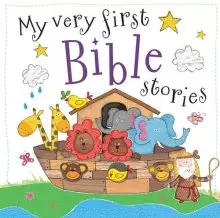
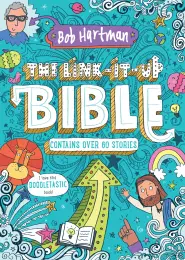
For general collections, our Bible Stories for children department is packed with beautifully illustrated options that bring these parables to life.
If you are looking for something which specifically explores The Parables, then look no further than The Lion Book of Five–Minute Parables.
This beautiful hardback retells ten of Jesus' most famous parables, including The Lost Coin, The Workers in the Vineyard, and The Foolish Bridesmaids, with each story perfectly timed to last just five minutes. What makes this book truly special are the vibrant illustrations that bring the story to life. At just five minutes a story, this is the perfect collection for bedtime reading.
The Eden Plan for Sharing Parables
- Start with the Concrete: Before you read, show your child a real item from the story (like a coin, a packet of seeds, or a stone).
- Keep it Brief: A five-minute read is the perfect length to keep their interest without overloading them.
- End with a Conversation: Each of Jesus’ parables has a surprise twist. Ask your child, "What surprised you most about that story?" and let their natural curiosity lead the way.
By using parables, you are following the exact method Jesus used. You are turning abstract theology into bedtime stories and planting seeds of faith that will grow with your child for a lifetime.
Ready to explore the stories of Jesus with your family?
Find their next Bible story today.