Trustpilot
What Is The Difference Between A Youth Bible And A Traditional Bible?
Confused between a youth Bible and a regular Bible? Discover the key differences in translation, layout, and study tools in our simple guide.

What Is The Difference Between A Youth Bible And A Traditional Bible?
Estimated Read Time: 4 minutes
If the teenager in your life has recently started taking their faith more seriously, you might be thinking about getting them a new Bible. But as you begin browsing online, you may be wondering how a youth Bible is defined.
For a young person, opening a standard adult Bible can sometimes feel like walking into a massive library without a map. The tiny print, double-column layouts, and lack of context can leave a teen feeling frustrated and lost.
At Eden, we want to help you make this transition a success. A youth Bible is designed to remove those barriers and act as a guided tour through the Scriptures. Let’s look at what sets a youth Bible apart from a regular adult Bible so you can choose the perfect fit for your teen’s spiritual journey.
The Big Distinction: It is NOT a Storybook
Before we look at the differences, let's clarify a common misunderstanding. Many parents confuse "youth Bibles" with storybook Bibles.
Storybook Bibles are written for younger children; they paraphrase stories, include lots of pictures, and often skip the letters, prophets, and poetry entirely. A youth bible, however, contains the complete, real text of God’s Word from Genesis to Revelation. It has every single chapter and verse that an adult Bible has, but it is presented in a much more accessible way.
What Sets a Youth Bible Apart?
1. Youth-Friendly Translations
While regular Bibles often use formal, traditional translations (like the ESV or KJV), youth Bibles prioritise clarity and readability. They typically use contemporary, clear translations like the New Century Version (NCV) or the New International Version (NIV). These versions allow teens to grasp complex biblical concepts without getting bogged down by old-fashioned vocabulary.
2. Relatable Study Notes and Commentary
This is the most significant difference. Instead of just focusing on historical footnotes, youth Bibles are packed with articles and Q&As that speak directly to the challenges of modern adolescence. They offer practical advice on navigating issues like:
- Life Application: How biblical principles apply to daily struggles like exam stress, peer pressure, and friendships.
- Doubt and Faith: Honest sections that tackle the hard questions teens have about science, suffering, and God's character.
- Cultural Context: Explanations of ancient customs so the ancient world makes sense to a modern teenager.
3. Interactive Layouts and Journaling Margins
Traditional Bibles are designed for reading. Youth Bibles are designed for interaction and study. Many of the most popular youth Bibles today include space for journaling, with extra-wide margins. This gives teens a space to write down their prayers, take sermon notes, doodle, and creatively express their thoughts directly next to the passage they are reading.
4. Topical Navigation Tools
If an adult is feeling stressed, they might look up a word in a standard concordance. A youth Bible simplifies this by including dedicated topical indexes. If a teen is feeling anxious, lonely, or needs guidance on a friendship issue, they can turn to the front index, which will immediately point them to a handful of relevant passages.For example, if a teenager is feeling depressed then their Youth Bible might point them to Psalm 40 as a reminder of God’s rescue and deliverance from despair.
5. Beautiful, "Aesthetic" Designs
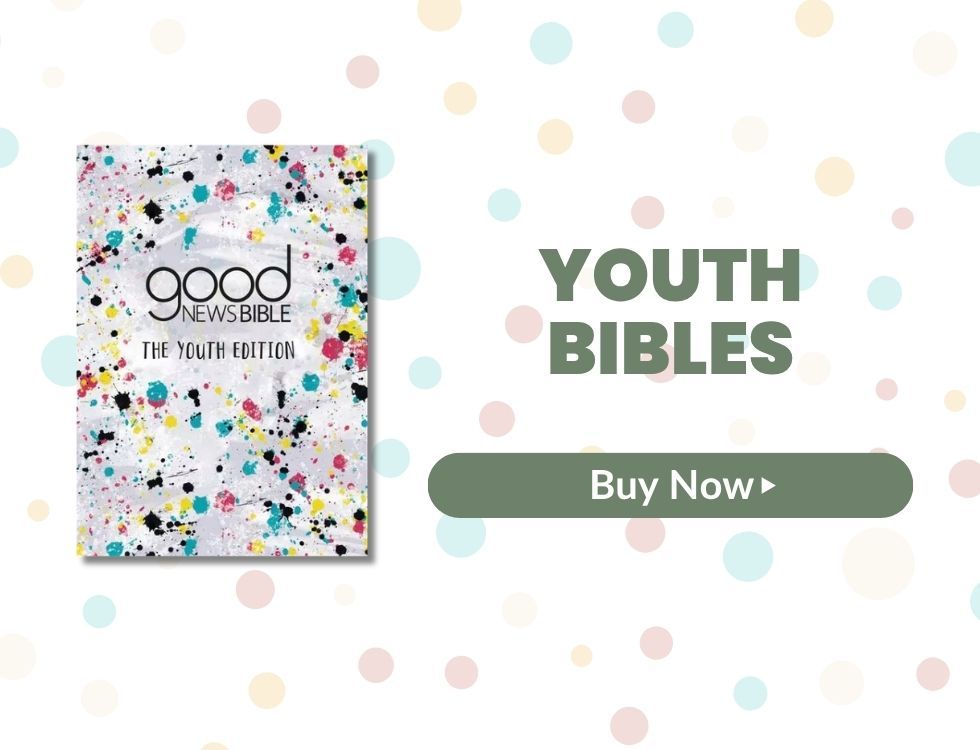
Never judge a book by its cover might be a popular idiom, but design does matter! Gen Z teenagers often reject traditional black leather Bibles because they look too much like school textbooks. Today's youth Bibles feature beautiful, artistic covers that are as durable as they are designer. They are books that teens are genuinely proud to carry in their school bags or leave out on their bedside tables.
The Eden Plan for Buying Success
To help your teenager take ownership of their faith, we suggest a simple three-step approach:
- Match the Translation to Their Reading Level: If they are a confident reader, look for the ESV Anglicised Youth Bible. If they prefer a conversational style, go with the NCV Youth Bibles.
- Ask About Their Style: Let them choose their own cover! If they feel a connection to how the book looks, they are far more likely to open it.
- Model the Habit: The best way to encourage a teenager to read their Bible is to let them see you reading yours.
By choosing a youth Bible, you aren't changing the message of God’s Word, you are simply giving your teenager a guide who speaks their language and walks beside them as they read it.
Ready to find a Bible that speaks to your teen's world?
Shop Youth Bibles at Eden today.