Trustpilot
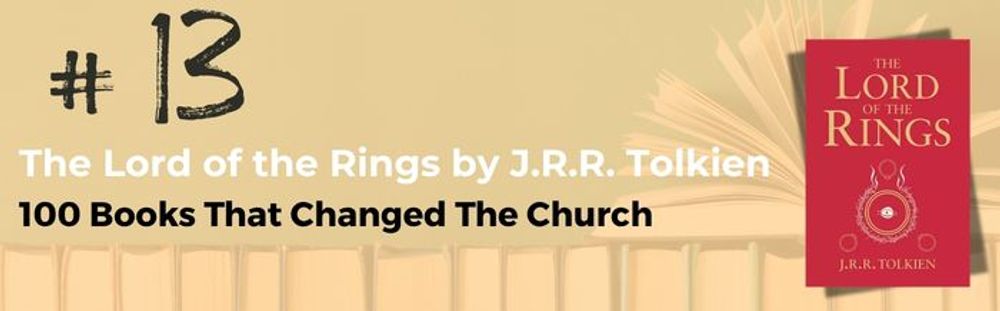
Voted #13 by Premier Radio listeners as part of ‘The 100 Books That Changed the Church’ list curated by Premier Christianity magazine and Eden.
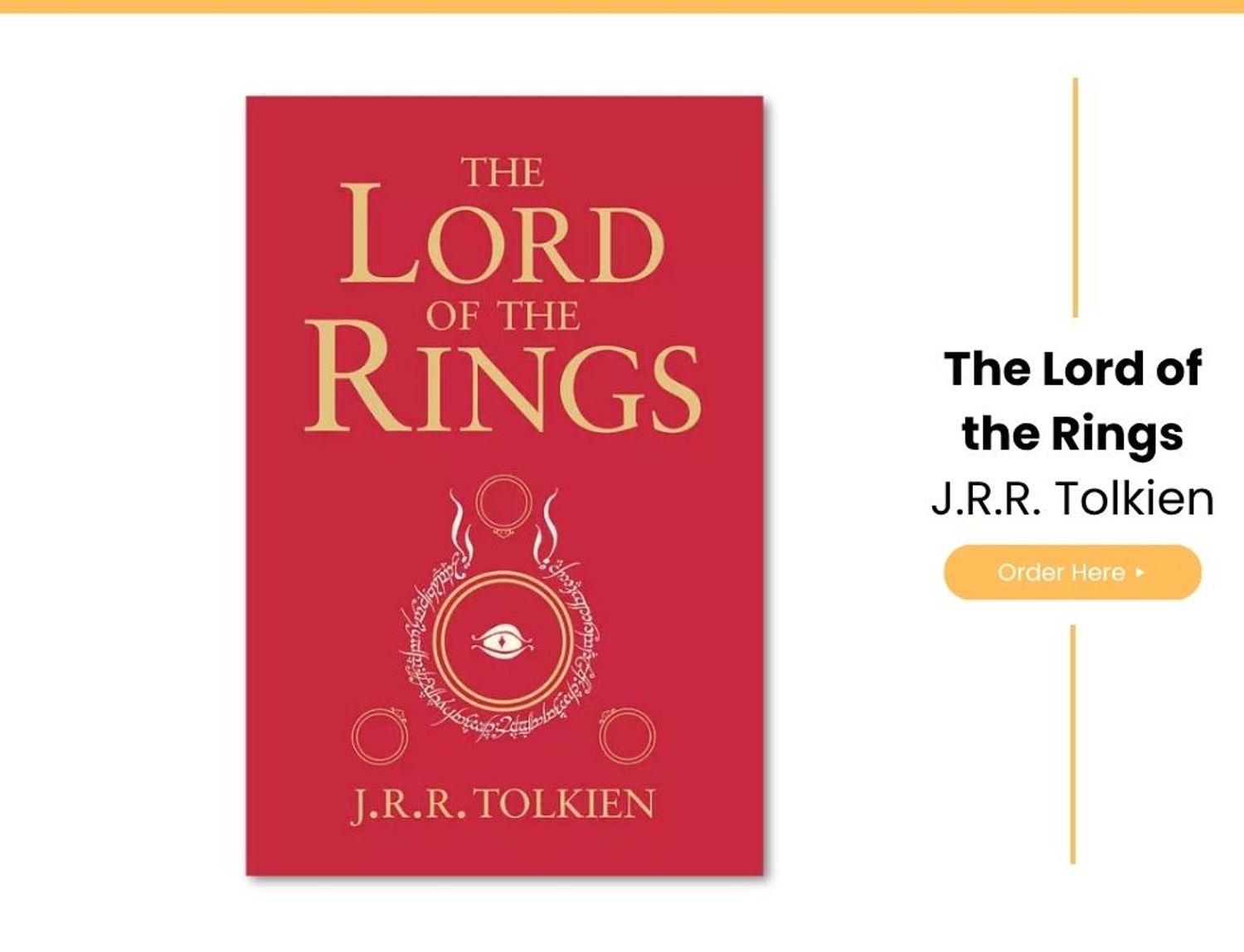
Tolkien was famously resistant to people calling his work allegory. And he was right that it isn't — not in any simple, one-to-one sense. But he also wrote to a friend that The Lord of the Rings was "a fundamentally religious and Catholic work." Premier Christianity places it among the books that have shaped the Church, and the case is compelling.
The moral architecture of Middle-earth is thoroughly Christian: the corruption of power, the eucatastrophe (Tolkien's own word for the sudden turn of joy at the moment of catastrophe), the sanctity of ordinary life, the redemptive power of mercy, the long defeat that is not ultimately defeat. Frodo's journey is not an allegory of the Christian life, but readers who know that life will find the landscape achingly familiar.
What Tolkien did — and what C.S. Lewis recognised in their famous Oxford conversations — was to show that myth could be a vehicle for truth, not an evasion of it. The Lord of the Rings has brought readers to the threshold of faith precisely because it doesn't announce itself as religious. It simply asks you to believe that goodness is worth defending, that small people matter, and that hope is not naive.
Want to know more about the full list then read our blog article here.
About the Author: J.R.R. Tolkien (1892–1973) was a professor of Anglo-Saxon at Oxford and a devout Catholic. Beyond The Lord of the Rings and The Hobbit, his posthumously published The Silmarillion and the essay On Fairy-Stories are essential companions to understanding his vision.