Your Guide to Deeper Scripture Understanding
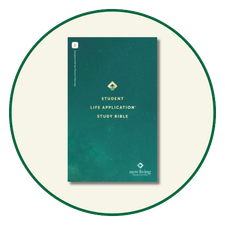
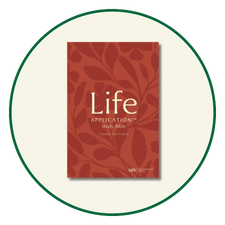
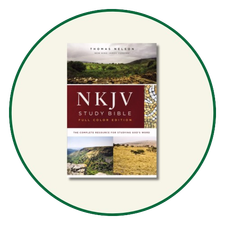
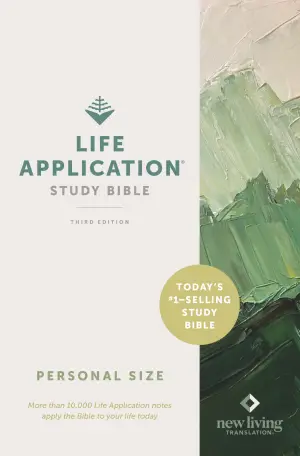
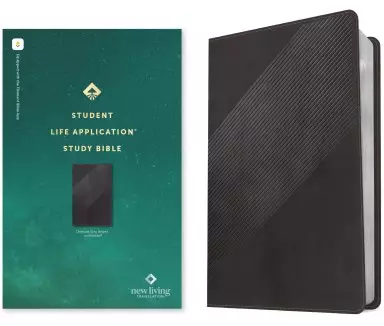
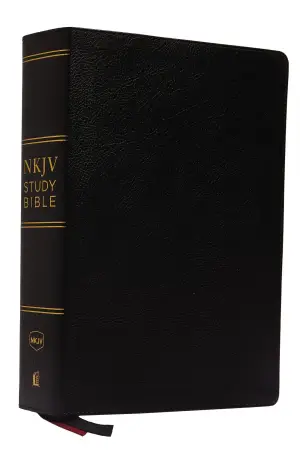
Made as a Bible for studying, Study Bibles provide you with a wide range of features and extras that guide your daily reading. A Study Bible will often feature extensive notes, maps, charts, illustrations, and photos. Life Application Study Bibles will also help you apply the Bible to daily life.
A Study Bible is a specific edition of the Bible that includes supplementary materials to help the reader understand the text more fully. Unlike a standard Bible, it features extensive study notes at the bottom of the page, book introductions providing historical context, character profiles, timelines, full-colour maps, and comprehensive concordances. You need a Study Bible if you want to move beyond simply reading the text to truly grasping the historical, cultural, and theological context of every passage.
How to Choose the Right Study Bible for You
Choosing a Study Bible can feel overwhelming. Here are some key factors to consider when finding your perfect match:
Q: What is a study Bible?
A study Bible is an edition of Scripture that includes additional resources printed alongside the biblical text; typically commentary notes, cross-references, book introductions, maps, concordances and thematic guides. Unlike a standard Bible, a study Bible is designed to help you understand the context, meaning and application of each passage as you read it.
Q: What is the best study Bible for beginners?
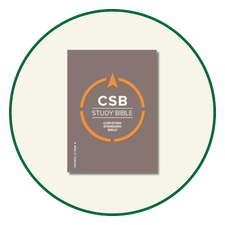
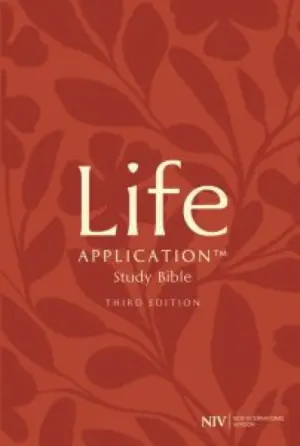
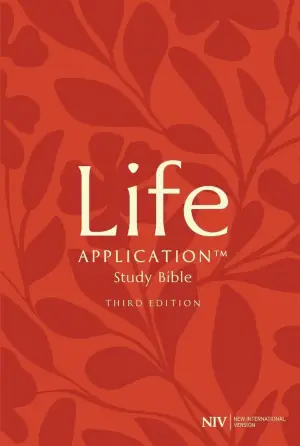
For those new to Bible study, the NIV Life Application Study Bible is consistently the most recommended starting point. Its notes focus on applying Scripture to everyday life rather than academic theology, making it accessible without being shallow. The CSB Study Bible is another excellent choice for beginners, offering clear language alongside straightforward, readable notes.
Q: What is the difference between the NIV and ESV Study Bible?
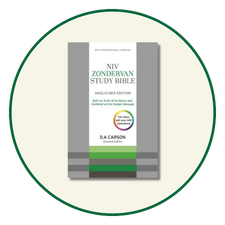
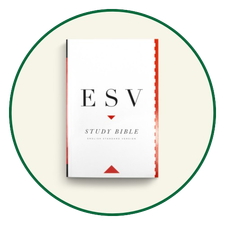
The NIV Study Bible uses the New International Version, a dynamic equivalence translation prioritising natural, readable English, and is the world's bestselling study Bible with over 10 million copies sold. The ESV Study Bible uses the English Standard Version, a more word-for-word translation, and is particularly valued for its theological depth and extensive cross-references. The NIV tends to suit everyday readers and newer Christians; the ESV is often preferred by those with a background in theology or Reformed traditions.
Q: Which study Bible has the most notes and commentary?
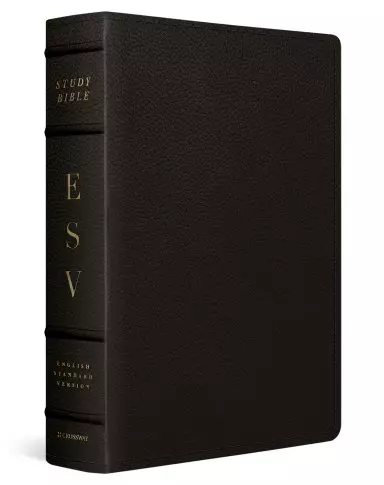
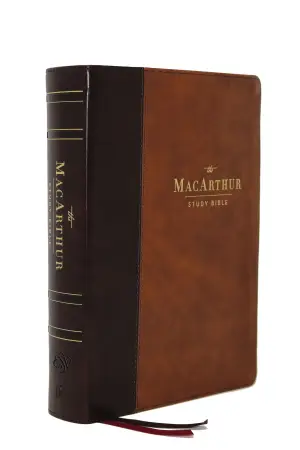
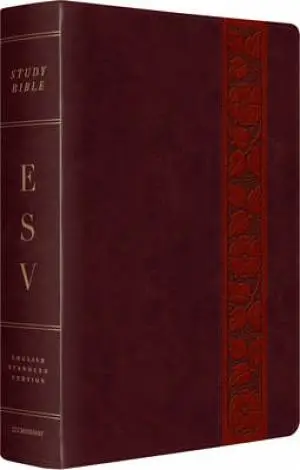
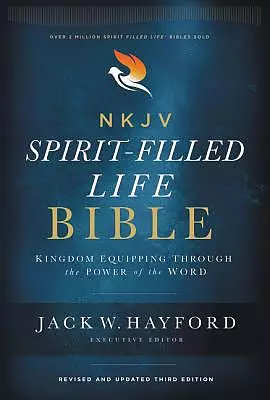
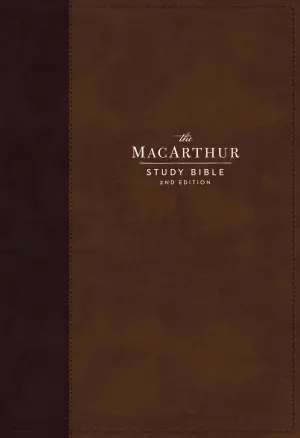
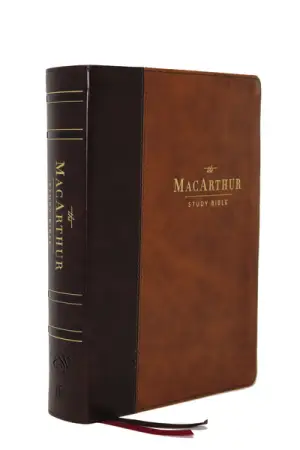
The ESV Study Bible is widely regarded as one of the most comprehensive study Bibles available, with over 20,000 study notes, 80,000 cross-references and more than 200 charts and maps. The MacArthur Study Bible is another standout for commentary depth, featuring verse-by-verse notes from one of the most prolific Bible teachers of the modern era.
Q: Are there study Bibles specifically for women?
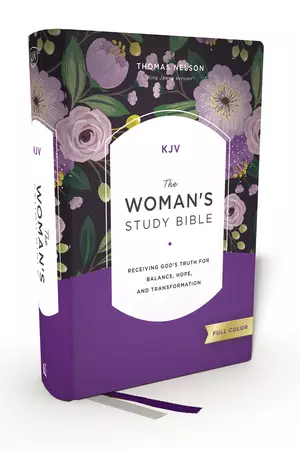
Yes, several study Bibles are written specifically from a female perspective. The ESV Women's Study Bible and the CSB (in)courage Women's Study Bible are both popular choices, featuring notes, devotionals and reflections written by and for women. These editions are well-suited to personal devotion, women's small groups and mentoring contexts.
Q: Can I use a study Bible as my main everyday Bible?
Many Christians do use a study Bible as their primary Bible, and the additional notes can genuinely enrich daily reading. However, some find that having commentary constantly on hand can become a distraction from simply reading and meditating on the text itself. A common approach is to use a study Bible for dedicated study sessions and a simpler, lighter Bible for daily devotional reading.
Q: What is the difference between a study Bible and a devotional Bible?
A study Bible focuses on understanding Scripture, explaining historical context, original language, theological themes and cross-references. A devotional Bible focuses on personal response and spiritual application — featuring short reflections, prayers and prompts to help you connect with God through the text. Study Bibles tend to suit those who want to go deeper academically; devotional Bibles suit those looking to nurture their prayer life and daily walk with God.

Your Guide to Deeper Scripture Understanding
Made as a Bible for studying, Study Bibles provide you with a wide range of features and extras that guide your daily reading. A Study Bible will often feature extensive notes, maps, charts, illustrations, and photos. Life Application Study Bibles will also help you apply the Bible to daily life.
A Study Bible is a specific edition of the Bible that includes supplementary materials to help the reader understand the text more fully. Unlike a standard Bible, it features extensive study notes at the bottom of the page, book introductions providing historical context, character profiles, timelines, full-colour maps, and comprehensive concordances. You need a Study Bible if you want to move beyond simply reading the text to truly grasping the historical, cultural, and theological context of every passage.
How to Choose the Right Study Bible for You
Choosing a Study Bible can feel overwhelming. Here are some key factors to consider when finding your perfect match:
Q: What is a study Bible?
A study Bible is an edition of Scripture that includes additional resources printed alongside the biblical text; typically commentary notes, cross-references, book introductions, maps, concordances and thematic guides. Unlike a standard Bible, a study Bible is designed to help you understand the context, meaning and application of each passage as you read it.
Q: What is the best study Bible for beginners?
For those new to Bible study, the NIV Life Application Study Bible is consistently the most recommended starting point. Its notes focus on applying Scripture to everyday life rather than academic theology, making it accessible without being shallow. The CSB Study Bible is another excellent choice for beginners, offering clear language alongside straightforward, readable notes.
Q: What is the difference between the NIV and ESV Study Bible?
The NIV Study Bible uses the New International Version, a dynamic equivalence translation prioritising natural, readable English, and is the world's bestselling study Bible with over 10 million copies sold. The ESV Study Bible uses the English Standard Version, a more word-for-word translation, and is particularly valued for its theological depth and extensive cross-references. The NIV tends to suit everyday readers and newer Christians; the ESV is often preferred by those with a background in theology or Reformed traditions.
Q: Which study Bible has the most notes and commentary?
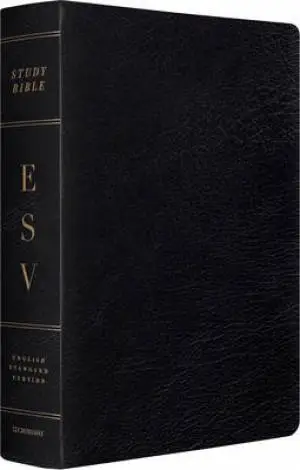
The ESV Study Bible is widely regarded as one of the most comprehensive study Bibles available, with over 20,000 study notes, 80,000 cross-references and more than 200 charts and maps. The MacArthur Study Bible is another standout for commentary depth, featuring verse-by-verse notes from one of the most prolific Bible teachers of the modern era.
Q: Are there study Bibles specifically for women?
Yes, several study Bibles are written specifically from a female perspective. The ESV Women's Study Bible and the CSB (in)courage Women's Study Bible are both popular choices, featuring notes, devotionals and reflections written by and for women. These editions are well-suited to personal devotion, women's small groups and mentoring contexts.
Q: Can I use a study Bible as my main everyday Bible?
Many Christians do use a study Bible as their primary Bible, and the additional notes can genuinely enrich daily reading. However, some find that having commentary constantly on hand can become a distraction from simply reading and meditating on the text itself. A common approach is to use a study Bible for dedicated study sessions and a simpler, lighter Bible for daily devotional reading.
Q: What is the difference between a study Bible and a devotional Bible?
A study Bible focuses on understanding Scripture, explaining historical context, original language, theological themes and cross-references. A devotional Bible focuses on personal response and spiritual application — featuring short reflections, prayers and prompts to help you connect with God through the text. Study Bibles tend to suit those who want to go deeper academically; devotional Bibles suit those looking to nurture their prayer life and daily walk with God.