Trustpilot
NASB vs. NRSV: A Guide to Scholarly Bible Translations
Comparing the NASB vs. the NRSV Bible? Our deep dive explains the key differences in literal accuracy and scholarly approach to help you choose the best one for you
When the goal is academic precision and faithfulness to the original biblical languages, two translations are consistently found on the desks of scholars, pastors, and serious students: the New American Standard Bible (NASB) and the New Revised Standard Version (NRSV). Both are renowned for their meticulous scholarship, but they approach the task of translation with different priorities, resulting in distinct reading experiences.
Are you looking for the most grammatically literal translation available, designed for technical word studies? Or do you need the standard academic text used in universities and seminaries, known for its precision and ecumenical approach?
This guide will offer a clear comparison of the NASB and the NRSV, helping you choose the right scholarly tool for your studies.
The main difference between the NASB and NRSV is their specific scholarly focus: the NASB is a very strict, "word-for-word" translation prized for its grammatical literalness, while the NRSV is the standard academic translation used in seminaries, known for its precision and use of gender-inclusive language for humanity.
At a Glance: Key Differences
Compare the NASB (New American Standard Bible) and the NRSV (New Revised Standard Version) with this quick chart:
The NASB: The Standard for Literal Precision
The New American Standard Bible (NASB) was created with a clear and singular mission: to be as literal as possible. The translators adhered strictly to the grammatical structures of the original Hebrew, Aramaic, and Greek. This makes the NASB an unparalleled resource for technical study. If you want to understand the tense of a Greek verb or the syntax of a Hebrew sentence without learning the original languages, the NASB gets you as close as you can get in English.
You should choose an NASB Bible if:
- Your highest priority is grammatical, word-for-word accuracy.
- You are a student or scholar doing deep exegetical work.
- You want to perform detailed word studies with the utmost confidence in literalness.
Our Top Recommendation for an NASB Bible:

NASB Giant Print Reference Bible
A fantastic edition for serious study, this Bible features the ultra-literal NASB text with a comprehensive cross-reference system in a portable and readable format. Shop Now
The NRSV: The Standard for Academic Scholarship
The New Revised Standard Version (NRSV) is the benchmark translation for the academic world. It is the version you are most likely to find in a university classroom or seminary library. It is celebrated for its scholarly precision and its ecumenical nature, having been approved by Protestant, Catholic, and Orthodox churches. A key feature of the NRSV is its use of gender-inclusive language for humanity (e.g., "brothers and sisters" instead of just "brothers"), which it does to accurately reflect the meaning of the original texts for a modern audience.
You should choose an NRSV Bible if:
- You are a student, scholar, or pastor who needs the standard text for academic work.
- You belong to a mainline denomination where the NRSV is commonly used.
- You appreciate a translation that uses modern, gender-inclusive language for humanity.
Our Top Recommendation for an NRSV Bible:
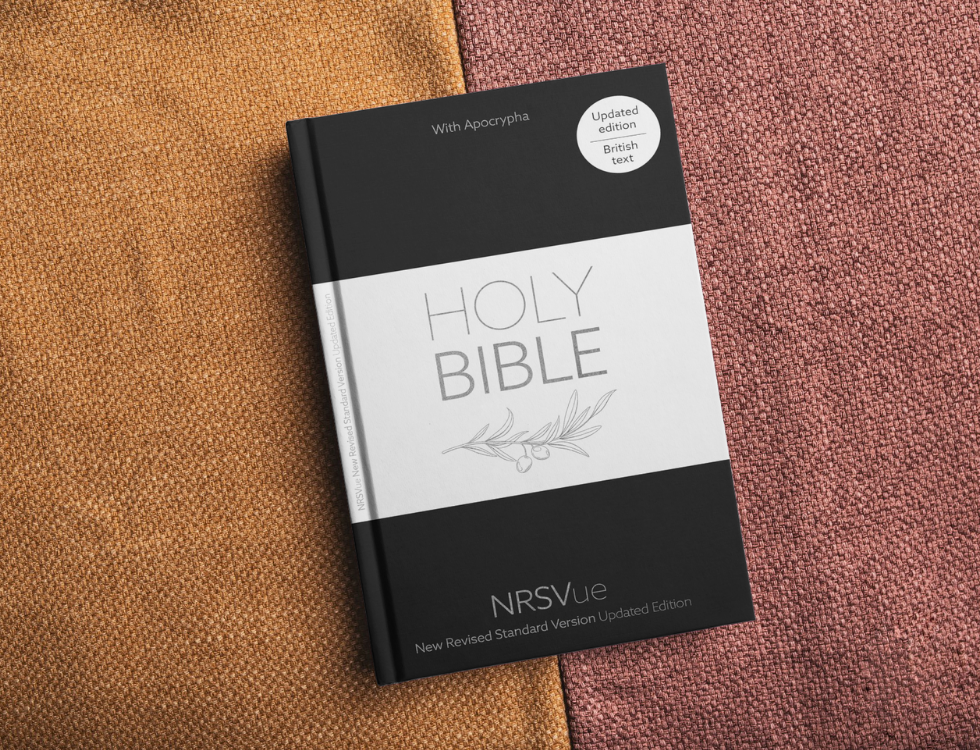
NRSVue Holy Bible with Apocrypha
A classic and respected edition, this NRSVue provides the full text, including the Apocryphal/Deuterocanonical books, making it a comprehensive resource for ecumenical study. Shop Now
Making Your Choice: Two Types of Scholarly Precision
Choosing between the NASB and NRSV is a choice between two excellent scholarly translations.
- For the most grammatically literal translation for technical word study, choose the NASB.
- For the standard academic translation for theological and ecumenical study, choose the NRSV.
Both will serve as trustworthy and profound resources as you delve deeper into the richness of God's Word.
Our Bible Finder tool can help you find the perfect Bible.
Still not sure which Bible is right for you? You can learn more in our complete, free 97-page ebook, 'How to Choose Your Bible'.