Excellent4.8 out of 5

English Standard Version
The English Standard Version (ESV) Bible is known for its accuracy, literary excellence, and faithfulness to the original texts. Designed to be as literal as possible while remaining clear and readable, the ESV is a trusted choice for study, devotion, journaling and teaching.
Not sure which ESV Bible is right for you? Use our Bible Finder tool to find the perfect Bible for your needs. Enjoy Free UK Delivery on orders over £15!
What is the ESV Bible? The English Standard Version (ESV) is an essentially literal translation published by Crossway in 2001. It uses formal equivalence, meaning translators sought to preserve the wording and structure of the original Hebrew, Greek, and Aramaic texts while keeping the English readable. It has become one of the most widely used translations in UK churches, seminaries, and Christian homes.
ESV Bible formats: which layout suits you?
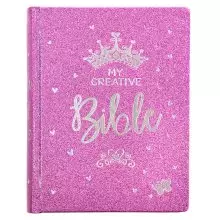
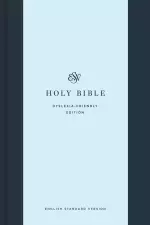
Three formats are worth knowing about specifically. Journaling editions feature wide ruled margins for notes, prayers, or artwork. Single-column editions remove the traditional double-column layout, so the text reads more like a modern book — the Heritage and Single Column Journaling editions are the best examples of this. Red letter editions print the words of Christ in red throughout the New Testament.
For production quality, Crossway's leather and goatskin editions use Smyth-sewn bindings and India paper — a thin but durable paper that keeps the Bible lightweight while lasting for decades of regular use.
Frequently asked questions
What does ESV stand for? English Standard Version. First published in 2001, it has become one of the most widely used translations for study, preaching, and personal devotion in the UK.
Is the ESV a word-for-word translation? Yes. The ESV uses formal equivalence, meaning it stays close to the structure and wording of the original languages while remaining readable in contemporary English.
What is the difference between the ESV and the NIV? The ESV is word-for-word; the NIV is thought-for-thought. The ESV preserves the structure of the original text more closely; the NIV prioritises natural readability. Many readers use both for different purposes.
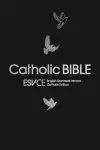
What is the ESV CE Bible? The ESV CE (Catholic Edition) includes the deuterocanonical books accepted by the Catholic Church, arranged according to Catholic canonical order. It is the standard ESV for Catholic readers.
Is the ESV available in Anglicised editions? Yes. Anglicised editions use British English spellings and phrasing throughout. Eden stocks the full Anglicised range, dispatched from our UK warehouse with no international shipping or customs costs.
How does the ESV compare to the KJV? Both are essentially literal translations, but separated by 400 years. The KJV uses Early Modern English and has a significant literary and cultural heritage. The ESV uses contemporary English while maintaining similar fidelity to the original texts. Many readers who value accuracy use the ESV for daily reading and study, and the KJV for liturgical or memorisation purposes.
English Standard Version
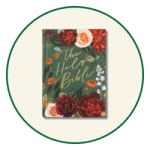
The English Standard Version (ESV) Bible is known for its accuracy, literary excellence, and faithfulness to the original texts. Designed to be as literal as possible while remaining clear and readable, the ESV is a trusted choice for study, devotion, journaling and teaching.
Not sure which ESV Bible is right for you? Use our Bible Finder tool to find the perfect Bible for your needs. Enjoy Free UK Delivery on orders over £15!
What is the ESV Bible? The English Standard Version (ESV) is an essentially literal translation published by Crossway in 2001. It uses formal equivalence, meaning translators sought to preserve the wording and structure of the original Hebrew, Greek, and Aramaic texts while keeping the English readable. It has become one of the most widely used translations in UK churches, seminaries, and Christian homes.
ESV Bible formats: which layout suits you?
Three formats are worth knowing about specifically. Journaling editions feature wide ruled margins for notes, prayers, or artwork. Single-column editions remove the traditional double-column layout, so the text reads more like a modern book — the Heritage and Single Column Journaling editions are the best examples of this. Red letter editions print the words of Christ in red throughout the New Testament.
For production quality, Crossway's leather and goatskin editions use Smyth-sewn bindings and India paper — a thin but durable paper that keeps the Bible lightweight while lasting for decades of regular use.
Frequently asked questions
What does ESV stand for? English Standard Version. First published in 2001, it has become one of the most widely used translations for study, preaching, and personal devotion in the UK.
Is the ESV a word-for-word translation? Yes. The ESV uses formal equivalence, meaning it stays close to the structure and wording of the original languages while remaining readable in contemporary English.
What is the difference between the ESV and the NIV? The ESV is word-for-word; the NIV is thought-for-thought. The ESV preserves the structure of the original text more closely; the NIV prioritises natural readability. Many readers use both for different purposes.
What is the ESV CE Bible? The ESV CE (Catholic Edition) includes the deuterocanonical books accepted by the Catholic Church, arranged according to Catholic canonical order. It is the standard ESV for Catholic readers.
Is the ESV available in Anglicised editions? Yes. Anglicised editions use British English spellings and phrasing throughout. Eden stocks the full Anglicised range, dispatched from our UK warehouse with no international shipping or customs costs.
How does the ESV compare to the KJV? Both are essentially literal translations, but separated by 400 years. The KJV uses Early Modern English and has a significant literary and cultural heritage. The ESV uses contemporary English while maintaining similar fidelity to the original texts. Many readers who value accuracy use the ESV for daily reading and study, and the KJV for liturgical or memorisation purposes.


 Trustpilot