No one becomes a Christian and immediately has all the answers. In fact, it's often the opposite — the questions get bigger, not smaller. Why does God allow suffering? Can I actually trust the Bible? What about science? What about all those tricky bits of the Bible that make you wince a little?
If you're nodding along, good news: this is normal and you're definitely not alone. Wrestling with big questions isn't a sign that your faith is weak — it's usually a sign that it's alive and growing. And thankfully, some brilliant thinkers have spent their careers taking these questions seriously instead of brushing them aside. Here's a friendly reading list to keep beside you as you work through the big stuff.
"What Do I Do With the Bible's Hard Bits?" Let's be honest — there are parts of the Bible that raise eyebrows. Violence, judgment, strange laws, difficult stories. If you've hit one of these and thought "wait, what?", you need God's Book: An Honest Look at the Bible's 7 Toughest Topics by Andrew Ollerton. As the title promises, it doesn't dodge the hard questions or offer flimsy explanations — it walks straight into the difficult stuff with honesty and care, which is exactly what a new believer needs - rather than a clichéd answer that doesn't quite satisfy.
In a similar spirit, Paradoxology by Krish Kandiah takes the tensions and seeming contradictions in the Bible — the moments that feel confusing or even uncomfortable — and shows how they're not weaknesses in the story of faith, but often the very places where the story gets most real. If you've ever thought "surely a good God wouldn't..." this one's for you.
"Is Any of This Actually... True?" A completely fair question, and one worth taking seriously rather than pushing down. The Reason for God by Timothy Keller is one of the best starting points here — Keller takes common doubts (suffering, exclusivity, science, injustice) and responds to each with clarity and warmth, treating scepticism as something worth engaging with rather than something to fear.
For the historical side of things — did Jesus actually exist, did he really rise from the dead, is any of this backed up by evidence? — pick up The Case for Christ by Lee Strobel. Strobel was a journalist and self-described sceptic who set out to disprove Christianity and ends up walking you through the investigation right alongside him. It's part detective story, part theology, and genuinely gripping.
And if the question is specifically "can I trust that the Bible I'm reading hasn't been changed, mistranslated, or made up along the way?", then Why Trust the Bible? by Amy Orr-Ewing tackles that head-on, unpacking how we got the Bible and why its reliability stands up to the most rigorous scrutiny.
"Doesn't Science Disprove All This?" A brilliant question, and one that trips up a lot of new believers who assume faith and science must be enemies. God's Undertaker: Has Science Buried God? by John C. Lennox — a mathematician at Oxford — makes a compelling case that science and faith aren't in a fight at all, and in many ways point in the same direction. It's a great one to have on hand for anyone (including yourself) who assumes belief in God requires switching your brain off.
"What Is Christianity Actually Asking of Me?" Sometimes the big question isn't philosophical, it's simply: what am I signing up for? Discovering Christianity by Rowan Williams — former Archbishop of Canterbury — offers a thoughtful, gentle introduction to what following Jesus actually looks like in daily life, written with the kind of wisdom that comes from decades of walking alongside people asking exactly this.
For a broader tour of the foundations — who is Jesus, why did he die, how do I pray, what's the point of church — Questions of Life by Nicky Gumbel is the classic companion. It's the book behind the Alpha course for good reason: warm, clear, and built entirely around the questions people actually ask rather than the ones textbooks assume you have.
"But What About the Really Awkward Questions?" Suffering. Other religions. Sex and relationships. Hell. The tricky, sometimes uncomfortable topics that come up eventually no matter how new you are. Searching Issues by Nicky Gumbel explores there with the same warmth as Questions of Life, giving you room to sit with the tension rather than rushing to a tidy conclusion.
And zooming out to the biggest questions of all — why am I here, does life have meaning, what happens when I die — Ultimate Questions by John Blanchard is a short, punchy little book that doesn't waste time getting to the heart of things. Perfect for a single sitting when you want to think big without committing to a longer book and perfect for giving to a non-Christian friend who is considering questions of ultimate significance.
A Gentle Reminder
You don't have to read all of these at once. Pick the question that's loudest in your head right now, find the book that matches it, and start there. The rest will still be waiting when you're ready. And take heart that faith that asks questions is growing faith that's paying attention to what’s important. Keep asking!
No one becomes a Christian and immediately has all the answers. In fact, it's often the opposite — the questions get bigger, not smaller. Why does God allow suffering? Can I actually trust the Bible? What about science? What about all those tricky bits of the Bible that make you wince a little?
If you're nodding along, good news: this is normal and you're definitely not alone. Wrestling with big questions isn't a sign that your faith is weak — it's usually a sign that it's alive and growing. And thankfully, some brilliant thinkers have spent their careers taking these questions seriously instead of brushing them aside. Here's a friendly reading list to keep beside you as you work through the big stuff.
"What Do I Do With the Bible's Hard Bits?" Let's be honest — there are parts of the Bible that raise eyebrows. Violence, judgment, strange laws, difficult stories. If you've hit one of these and thought "wait, what?", you need God's Book: An Honest Look at the Bible's 7 Toughest Topics by Andrew Ollerton. As the title promises, it doesn't dodge the hard questions or offer flimsy explanations — it walks straight into the difficult stuff with honesty and care, which is exactly what a new believer needs - rather than a clichéd answer that doesn't quite satisfy.
In a similar spirit, Paradoxology by Krish Kandiah takes the tensions and seeming contradictions in the Bible — the moments that feel confusing or even uncomfortable — and shows how they're not weaknesses in the story of faith, but often the very places where the story gets most real. If you've ever thought "surely a good God wouldn't..." this one's for you.
"Is Any of This Actually... True?" A completely fair question, and one worth taking seriously rather than pushing down. The Reason for God by Timothy Keller is one of the best starting points here — Keller takes common doubts (suffering, exclusivity, science, injustice) and responds to each with clarity and warmth, treating scepticism as something worth engaging with rather than something to fear.
For the historical side of things — did Jesus actually exist, did he really rise from the dead, is any of this backed up by evidence? — pick up The Case for Christ by Lee Strobel. Strobel was a journalist and self-described sceptic who set out to disprove Christianity and ends up walking you through the investigation right alongside him. It's part detective story, part theology, and genuinely gripping.
And if the question is specifically "can I trust that the Bible I'm reading hasn't been changed, mistranslated, or made up along the way?", then Why Trust the Bible? by Amy Orr-Ewing tackles that head-on, unpacking how we got the Bible and why its reliability stands up to the most rigorous scrutiny.
"Doesn't Science Disprove All This?" A brilliant question, and one that trips up a lot of new believers who assume faith and science must be enemies. God's Undertaker: Has Science Buried God? by John C. Lennox — a mathematician at Oxford — makes a compelling case that science and faith aren't in a fight at all, and in many ways point in the same direction. It's a great one to have on hand for anyone (including yourself) who assumes belief in God requires switching your brain off.
"What Is Christianity Actually Asking of Me?" Sometimes the big question isn't philosophical, it's simply: what am I signing up for? Discovering Christianity by Rowan Williams — former Archbishop of Canterbury — offers a thoughtful, gentle introduction to what following Jesus actually looks like in daily life, written with the kind of wisdom that comes from decades of walking alongside people asking exactly this.
For a broader tour of the foundations — who is Jesus, why did he die, how do I pray, what's the point of church — Questions of Life by Nicky Gumbel is the classic companion. It's the book behind the Alpha course for good reason: warm, clear, and built entirely around the questions people actually ask rather than the ones textbooks assume you have.
"But What About the Really Awkward Questions?" Suffering. Other religions. Sex and relationships. Hell. The tricky, sometimes uncomfortable topics that come up eventually no matter how new you are. Searching Issues by Nicky Gumbel explores there with the same warmth as Questions of Life, giving you room to sit with the tension rather than rushing to a tidy conclusion.
And zooming out to the biggest questions of all — why am I here, does life have meaning, what happens when I die — Ultimate Questions by John Blanchard is a short, punchy little book that doesn't waste time getting to the heart of things. Perfect for a single sitting when you want to think big without committing to a longer book and perfect for giving to a non-Christian friend who is considering questions of ultimate significance.
A Gentle Reminder
You don't have to read all of these at once. Pick the question that's loudest in your head right now, find the book that matches it, and start there. The rest will still be waiting when you're ready. And take heart that faith that asks questions is growing faith that's paying attention to what’s important. Keep asking!
Wondering which Bible translation to try? Discover the Bibles used and recommended by John Piper, Beth Moore, N. T. Wright, Pete Greig, J.John and more.
Explore 500+ biblical and Bible-inspired baby names for boys and girls, with meanings, origins and Bible references. Find popular, modern, rare, strong and unique Christian names.
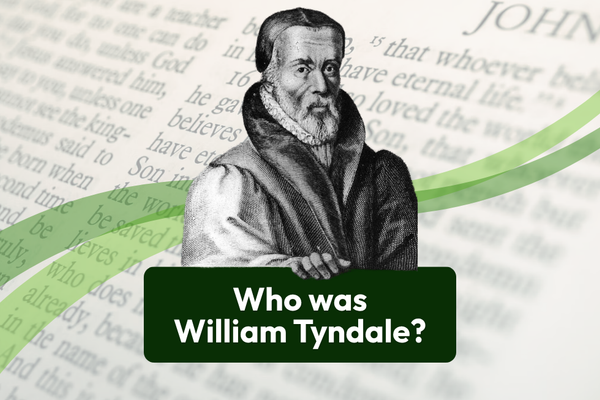
Who was William Tyndale? Discover the life, courage, and 500-year legacy of the fugitive scholar who risked everything so everyday people could read the Bible in English.
Discover the KJV Bible's lasting appeal, history, and beauty. Overcome apprehension about older language with our beginner's guide. Free UK delivery over £10 from Eden.co.uk.
It's our joy to serve over 2 million UK customers in their life's adventure.
Here's what our customers have to say
Accepted Payment Methods
We Keep Your Information Secure
We use enterprise level encryption and 256-bit SSL.
Cookies
We use cookies to enhance your shopping experience
Wondering which Bible translation to try? Discover the Bibles used and recommended by John Piper, Beth Moore, N. T. Wright, Pete Greig, J.John and more.
Explore 500+ biblical and Bible-inspired baby names for boys and girls, with meanings, origins and Bible references. Find popular, modern, rare, strong and unique Christian names.
Who was William Tyndale? Discover the life, courage, and 500-year legacy of the fugitive scholar who risked everything so everyday people could read the Bible in English.
Discover the KJV Bible's lasting appeal, history, and beauty. Overcome apprehension about older language with our beginner's guide. Free UK delivery over £10 from Eden.co.uk.


 Trustpilot