Global Conflict and Industry Pressures Impact Seafarer Well-being, New Report Reveals
Seafarers' well-being plummets due to global conflict and industry pressures, reveals The Mission to Seafarers' latest report. Read the findings.
The latest Seafarers Happiness Index (SHI) from The Mission to Seafarers highlights a concerning decline in the well-being of those working at sea. The Q1 2026 report reveals a significant drop in seafarer happiness, particularly exacerbated by the outbreak of geopolitical conflict in the Persian Gulf.
The survey, which initially showed signs of stabilisation, saw a rapid deterioration in seafarer morale following the conflict. Even those not directly in the conflict zone reported increased stress and fear, describing a pervasive sense of uncertainty. The report, a collaboration between The Mission to Seafarers, Idwal, and NorthStandard, with support from Inmarsat, offers vital insights into the challenges faced by seafarers.
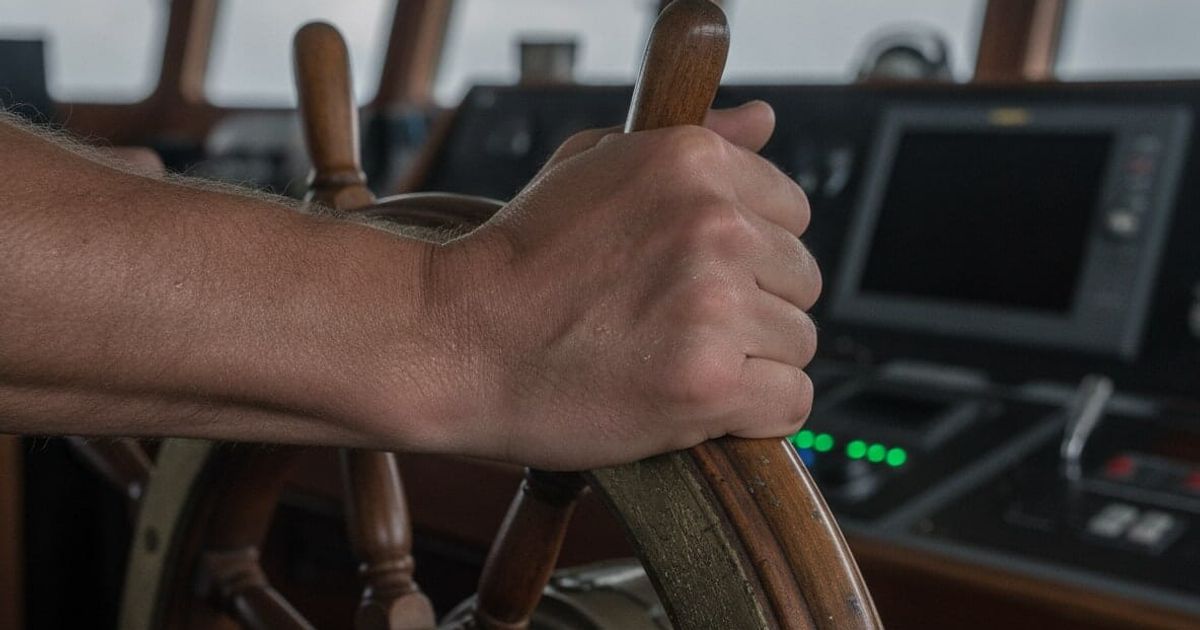
A seafarer looking out at the sea from a ship.
Conflict Zone Hardships
Seafarers caught in the conflict zone described harrowing experiences, including witnessing drones and missiles and hearing fighter jets overhead. Reports indicate critical shortages of basic necessities, with some resorting to boiling seawater for drinking and rationing food. Many felt trapped, fearing that requesting repatriation could lead to being blacklisted by shipping companies, effectively putting them in 'de facto detention'.
Connectivity, often a lifeline, became an additional source of stress. Increased jamming made navigation dangerous, and internet blocking severed vital communication links with families during a time of great need.
Deepening Industry Crises
Beyond the immediate conflict, the report highlights persistent structural issues within the industry. Workload management saw the sharpest decline, with seafarers reporting falsified rest hour records and routine working hours extending to 12-14 hours a day, seven days a week. Reduced crew numbers are intensifying this burden.
Wages have remained largely stagnant for a decade, despite rising company profits and inflation. This stagnation, coupled with the increasing demands of the job, is particularly affecting younger seafarers. Those aged 25 to 35, the largest respondent group, reported the lowest satisfaction levels, signalling a potential recruitment and retention crisis for the industry's future.
The industry cannot afford to treat these as separate problems.
Ben Bailey, Director of Programme at The Mission to Seafarers, commented on the dual nature of the findings: "The early signs were encouraging... But the outbreak of conflict in the Persian Gulf changed everything, and the speed of that deterioration should alarm us all. Behind these numbers are real people, stranded, frightened and cut off from their families. At the same time, the structural pressures we have been tracking for years have not gone away."
Industry partners also shared their concerns. Thom Herbert, Regional Lead, Asia and Crew Welfare Advocate at Idwal, stated, "Seafarers operate on the front line of world trade, and through our work and conversations across the sector... we see just how exposed they are to sudden shifts in global risk."
Yves Vandenborn, Head of Loss Prevention Asia-Pacific at NorthStandard, added, "As an industry, we need to recognise this and do more to support those who keep global trade moving, especially when the world becomes less stable."
THE MISSION TO SEAFARERS originally published this story. Eden is sharing it to help connect you with their ministry.
The Mission to Seafarers continues its vital work supporting seafarers worldwide. You can learn more about their impact and how to offer support through their website.
Seafarers Happiness Index — Information about the Seafarers Happiness Index from The Mission to Seafarers.
The Mission to Seafarers — The official website for The Mission to Seafarers, a charity supporting seafarers worldwide.
Ben Bailey — Profile of Ben Bailey, Director of Programme at The Mission to Seafarers.